2026 Sessions & Slide Decks
Select a session from the top row and information about that session will appear, including the download link for the slide deck if there is one.
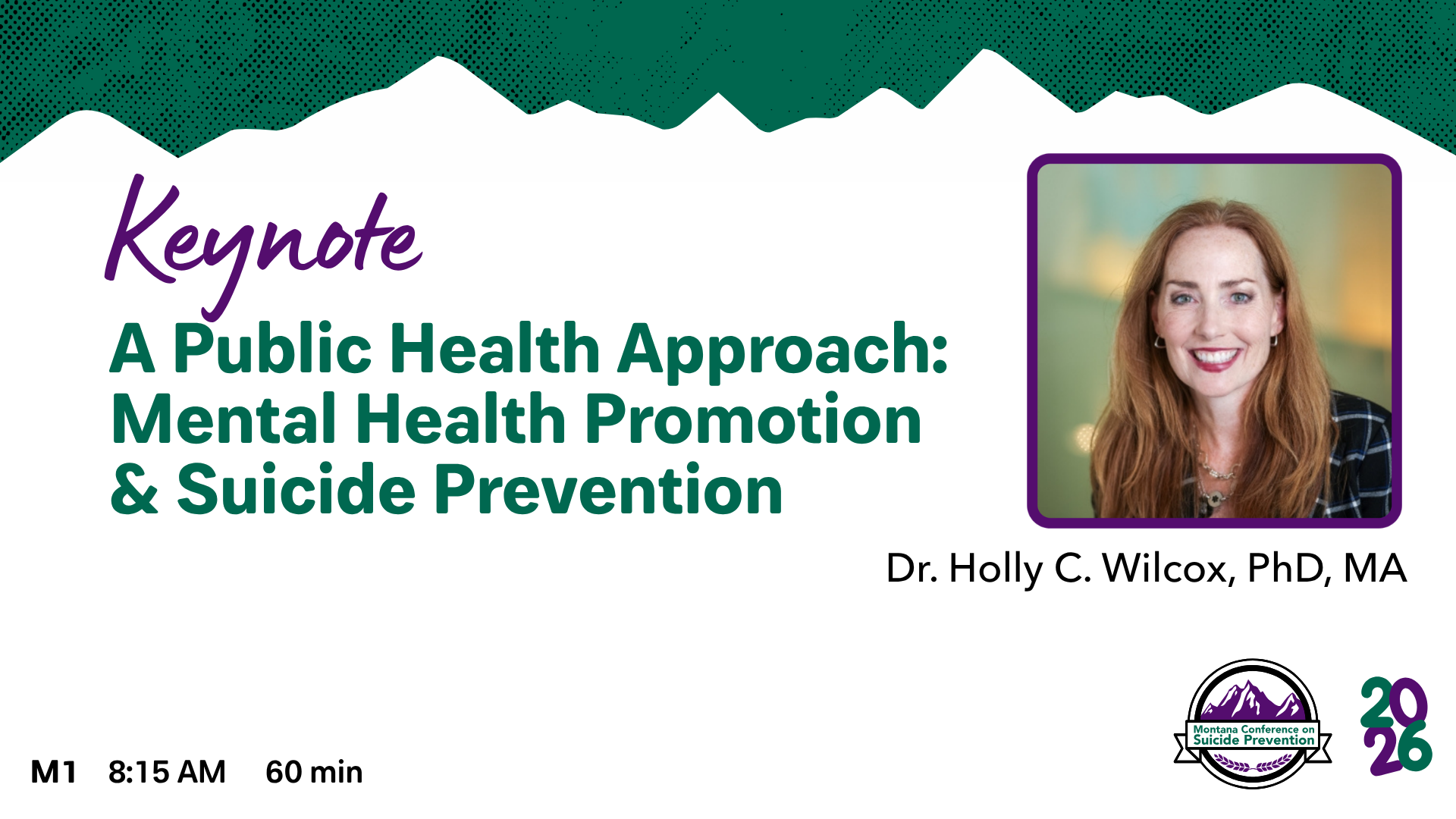
Keynote • A Public Health Approach: Mental Health Promotion & Suicide Prevention
Dr. Holly C. Wilcox, PhD, MA
PRESENTATION ABSTRACT
This keynote provides a comprehensive overview of strategies designed to reduce suicide mortality across populations by shifting the overall population risk. The presentation outlines a multi-tiered framework encompassing universal, selective, and indicated interventions to effectively identify and support at-risk individuals.
LEARNING OBJECTIVES
- Increase knowledge about evidence-based programs and policies to support mental health promotion and suicide prevention.
- Learn about evidence-based strategies and policies for preventing suicide using a public health approach.
- Learn about community-based programs that prevent suicide attempts and suicides.
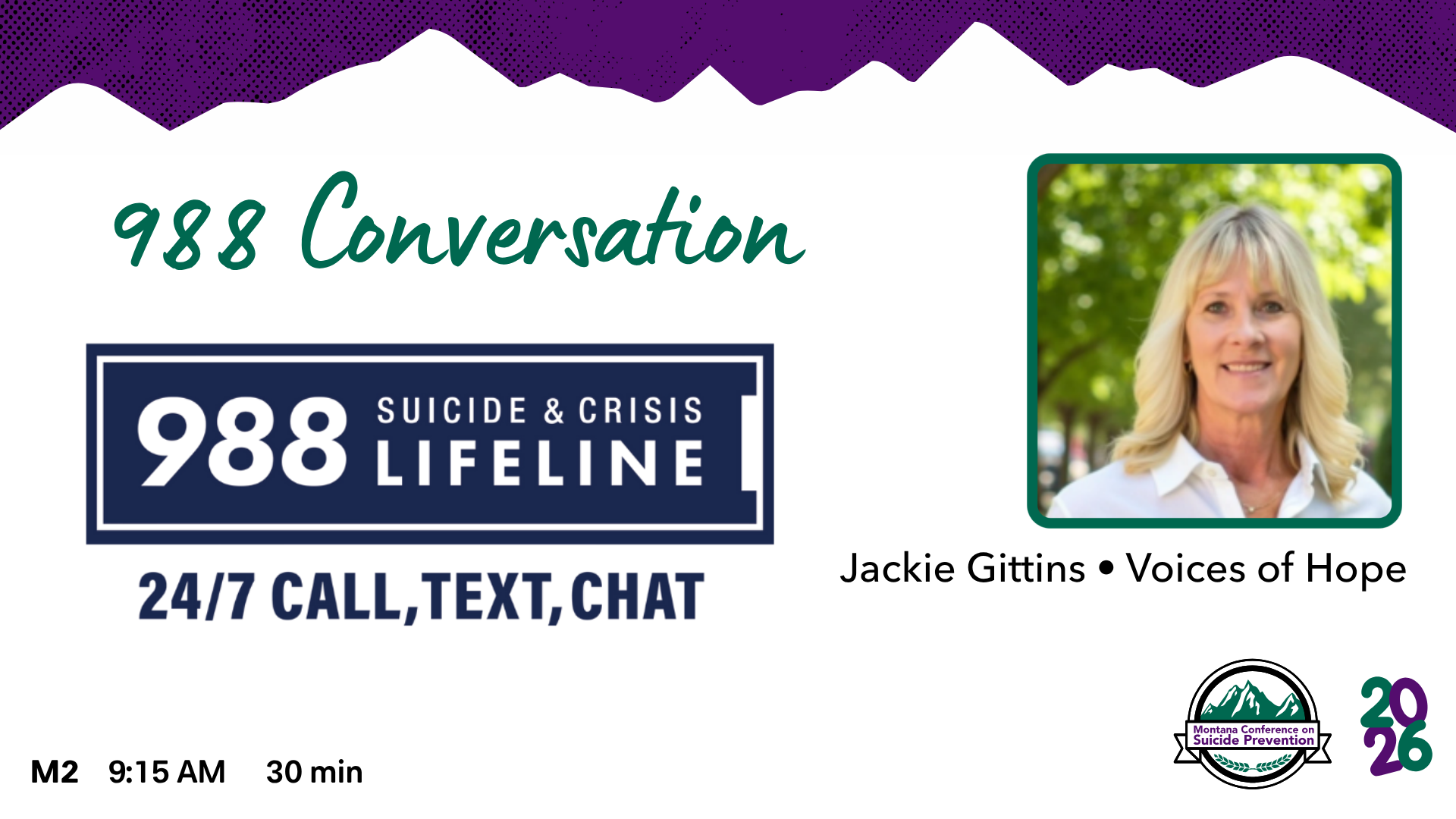
Montana 988
Jackie Gittins
PRESENTATION ABSTRACT
This presentation provides an in-depth look at the implementation and impact of the 988 Suicide & Crisis Lifeline in Montana. Designed to complement existing emergency services, 988 offers 24/7, confidential support from trained crisis intervention specialists for individuals experiencing mental health distress, substance use crises, or suicidal ideation. The session explores the operational mechanics of the 988 system, including geo-routing technology and its critical integration with Montana 211 to connect callers with vital community resources.
The presentation highlights the impressive performance metrics of Montana's call centers, noting a 96.4% answer rate and an average response time of just 10.8 seconds, which ranks among the best in the nation. Furthermore, the presentation delves into the anatomy of crisis mitigation, demonstrating how operators use safety planning, active listening, and collaborative problem-solving to successfully resolve over 78% of immediate crises over the phone.
LEARNING OBJECTIVES
- Increase knowledge about the 988 system.
- Learn more about what happens when an individual calls 988.
- Learn about the steps beyond the initial call.
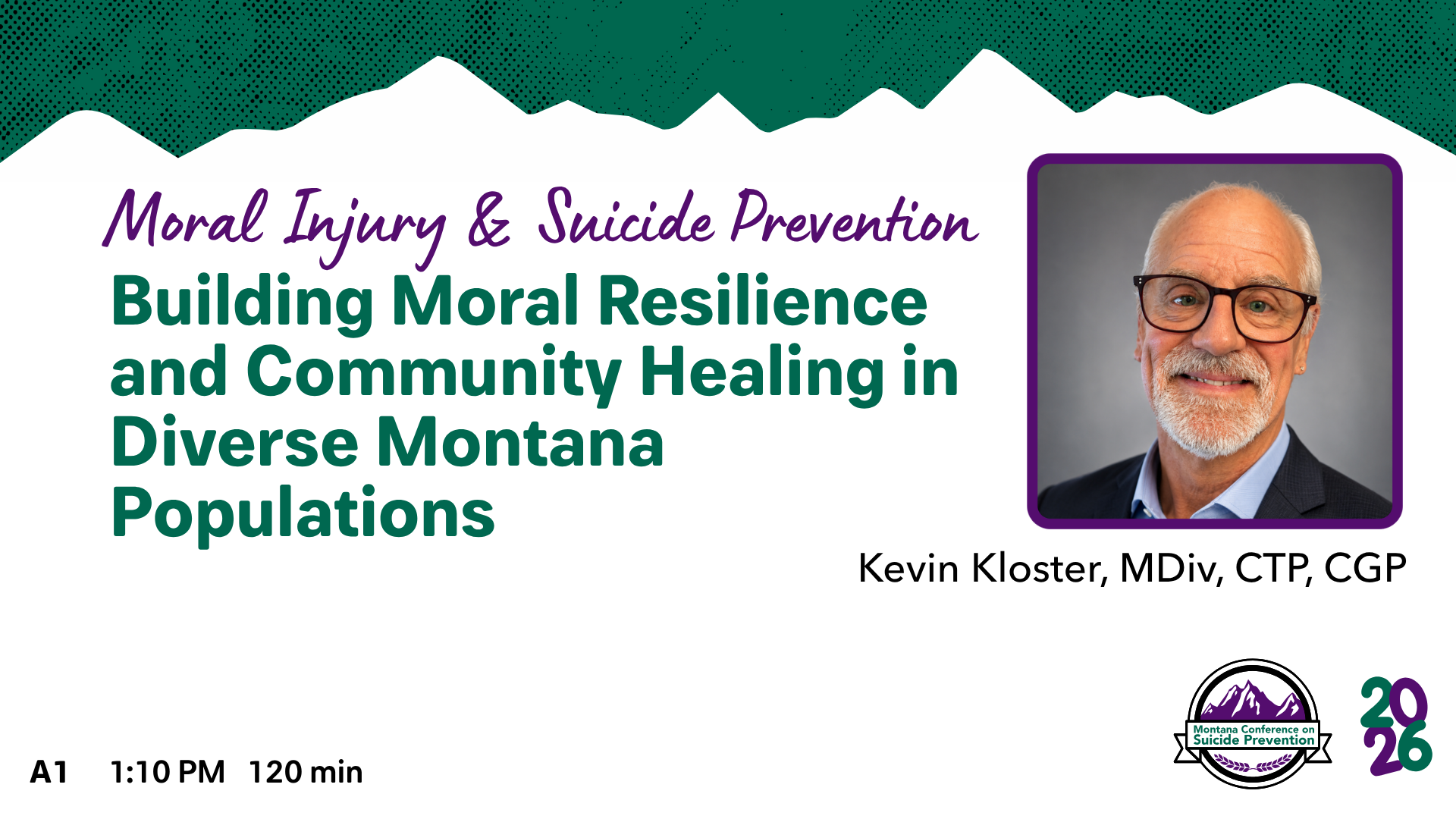
Moral Injury & Suicide Prevention: Building Moral Resilience and Community Healing in Diverse Montana Populations
Kevin Kloster, MDiv, CTP, CGP
PRESENTATION ABSTRACT
Moral injury is an invisible wound that can occur when an individual experiences, witnesses, perpetrates, or is unable to prevent an event that deeply violates their values and moral beliefs. While often discussed in military populations, moral injury is not limited to veterans—it can affect healthcare workers, first responders, family members, survivors of sexual trauma, and community members navigating complex systems and life-altering circumstances.
This session will explore the connection between moral injury and suicide risk, highlighting how moral injury contributes to intense shame, guilt, grief, isolation, loss of trust, spiritual distress, and meaning collapse—factors strongly associated with suicidal ideation and decreased help-seeking. Moral injury is not always PTSD, but it can overlap and complicate recovery, especially when left unrecognized.
Aligned with the conference theme, this presentation will focus on practical approaches for reducing risk factors and amplifying protective factors by strengthening moral resilience before morally injurious events occur. Participants will learn how to recognize early warning signs of moral distress, support meaning-making, restore connection, and build community-based pathways for moral repair. The session will also highlight evidence-informed strategies such as peer-to-peer support, values-based coping, narrative processing, self-compassion, spiritual support (optional and culturally respectful), and trauma-informed practices—especially for individuals impacted by MST and sexual trauma.
This presentation is grounded in real-world field experience supporting Veterans through moral injury groups, MST programming, retreats, and suicide prevention outreach across Montana and the surrounding region.
LEARNING OBJECTIVES
- Define moral injury and distinguish it from PTSD, moral distress, and burnout.
- Identify how moral injury impacts diverse populations, including veterans, healthcare workers, family members, and survivors of sexual trauma, and increases suicide risk through shame, isolation, and loss of meaning.
- Describe moral resilience strategies that can be implemented proactively to reduce the likelihood that morally injurious events develop into long-term moral injury.
- Apply trauma-informed and community-based interventions that support moral repair and healing, including peer support pathways, structured groups, and retreats.
- Strengthen protective factors through culturally responsive outreach strategies that promote connection, belonging, and hope across Montana communities.
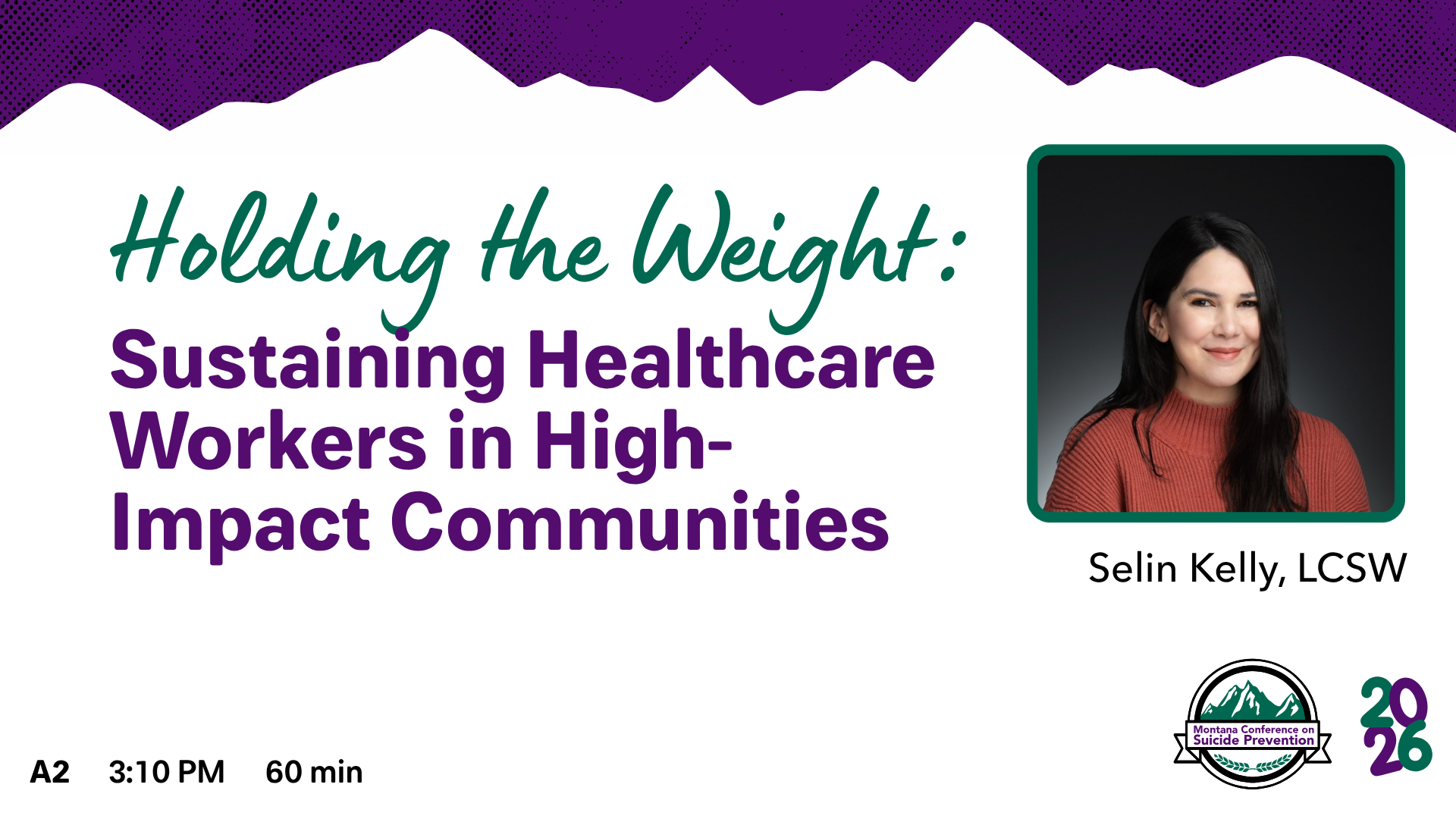
Holding the Weight: Sustaining Healthcare Workers in High-Impact Communities
Selin Kelly, LCSW
PRESENTATION ABSTRACT
In environments impacted by suicide and repeated crisis, healthcare workers often carry an invisible, cumulative burden. Recurrent exposure to life-and-death decision-making, community loss, and high-stakes responsibility quietly shapes providers’ internal worlds, influencing not only stress, but also meaning, identity, and moral clarity. While suicide prevention efforts frequently focus on patient-level intervention, far less attention is given to the psychological and moral demands placed on those delivering care. Over time, sustained exposure to these pressures can contribute not only to burnout, but also to moral strain as known as the distress that arises when providers face impossible decisions or feel responsible for outcomes beyond their control. This session invites healthcare professionals to examine the emotional and moral weight of practicing in high-impact communities and to explore protective strategies that strengthen mentalization capacity, foster psychological safety, and support long-term sustainability.
Through guided reflection, discussion, and practical approaches, participants will engage with tools designed to reduce cumulative burden, enhance moral resilience, and reinforce the healthcare workforce as a central protective factor in suicide prevention.
LEARNING OBJECTIVES
- Delve into systemic and occupational factors that shape provider vulnerability in high-impact care environments and explore how these contexts influence risk, strain, and sustainability.
- Examine a provider-focused approach to suicide prevention and explore strategies that reinforce protective factors, fostering safe, resilient, and sustainable care systems.
- Consider the impact of acute and chronic stress on provider functioning and explore approaches that support mentalization capacity, mitigate moral strain, and strengthen protective practices at both individual and team levels.
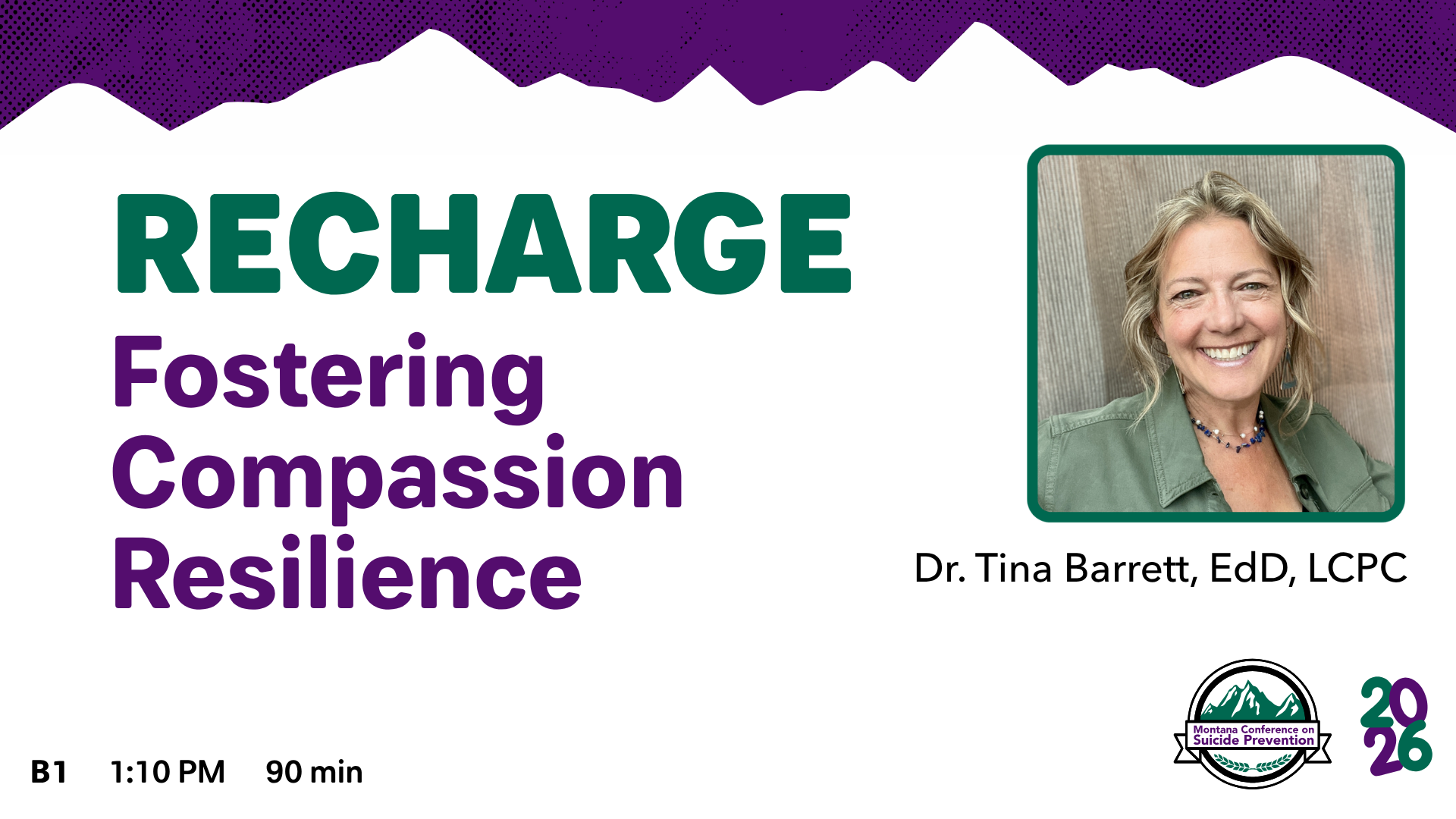
RECHARGE: Fostering Compassion Resilience
Dr. Tina Barrett, EdD, LCPC
PRESENTATION ABSTRACT
Filling your own metaphorical cup is easier said than done. Our spark can begin to dim when faced with daily pressures, grief, and stress. Relational dynamics, time pressures, and life stressors can take a toll.
Too often, self-care oversimplifies the complexity of personal health and wellness. This interactive workshop grounds intentions in a call for action, supplemented with research and emerging trends. Together we’ll explore practical strategies related to individuals, interpersonal dynamics, and larger systems – with the goal of enhancing well-being and tools to address trauma and chronic stress.
LEARNING OBJECTIVES
- Identify impacts of pervasive exposure to stress.
- Define and articulate importance of fostering compassion resilience
- Differentiate 1) intrapersonal, 2) interpersonal, and 3) organizational strategies to enhance health and wellness.
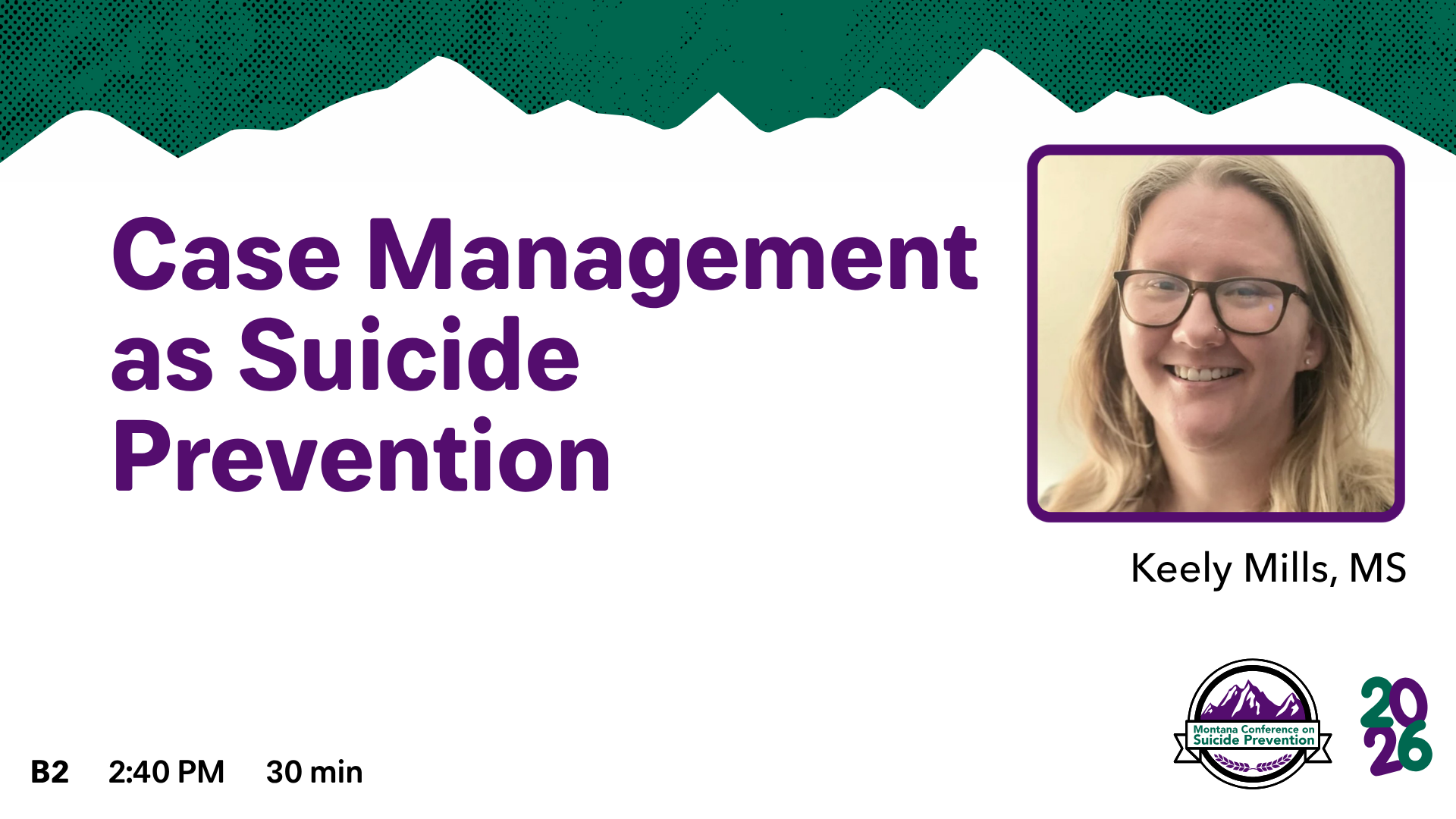
Case Management as Suicide Prevention
Keely Mills, MS
Presentation Abstract
Suicide prevention is often framed as a clinical responsibility centered on therapy, medication, crisis response, and emergency intervention. While these services are essential, they are insufficient when individuals lack stability, connection, and access to basic needs.
Grounded in Maslow's Hierarchy of Needs, this presentation reframes case management as a critical yet often overlooked suicide prevention strategy. It explores how unmet needs related to housing, food security, safety, transportation, and social connection can undermine mental health treatment and increase vulnerability to suicidal ideation.
Using a community-based lens, the session positions case management as connective infrastructure that strengthens protective factors through stability, continuity, belonging, and access to supportive systems. Participants will gain a broader understanding of suicide prevention as a relationship-centered and system-connected responsibility.
LEARNING OBJECTIVES
- Explain how case management functions as a suicide prevention strategy by addressing foundational needs and strengthening protective factors through community-based systems and supports.
- Apply Maslow's Hierarchy of Needs to suicide prevention frameworks to understand how unmet basic needs increase vulnerability and how stability, safety, and belonging reduce risk.
- Identify community-level interventions and relational practices that build resilience, reduce isolation, and create sustainable safety nets beyond clinical settings.
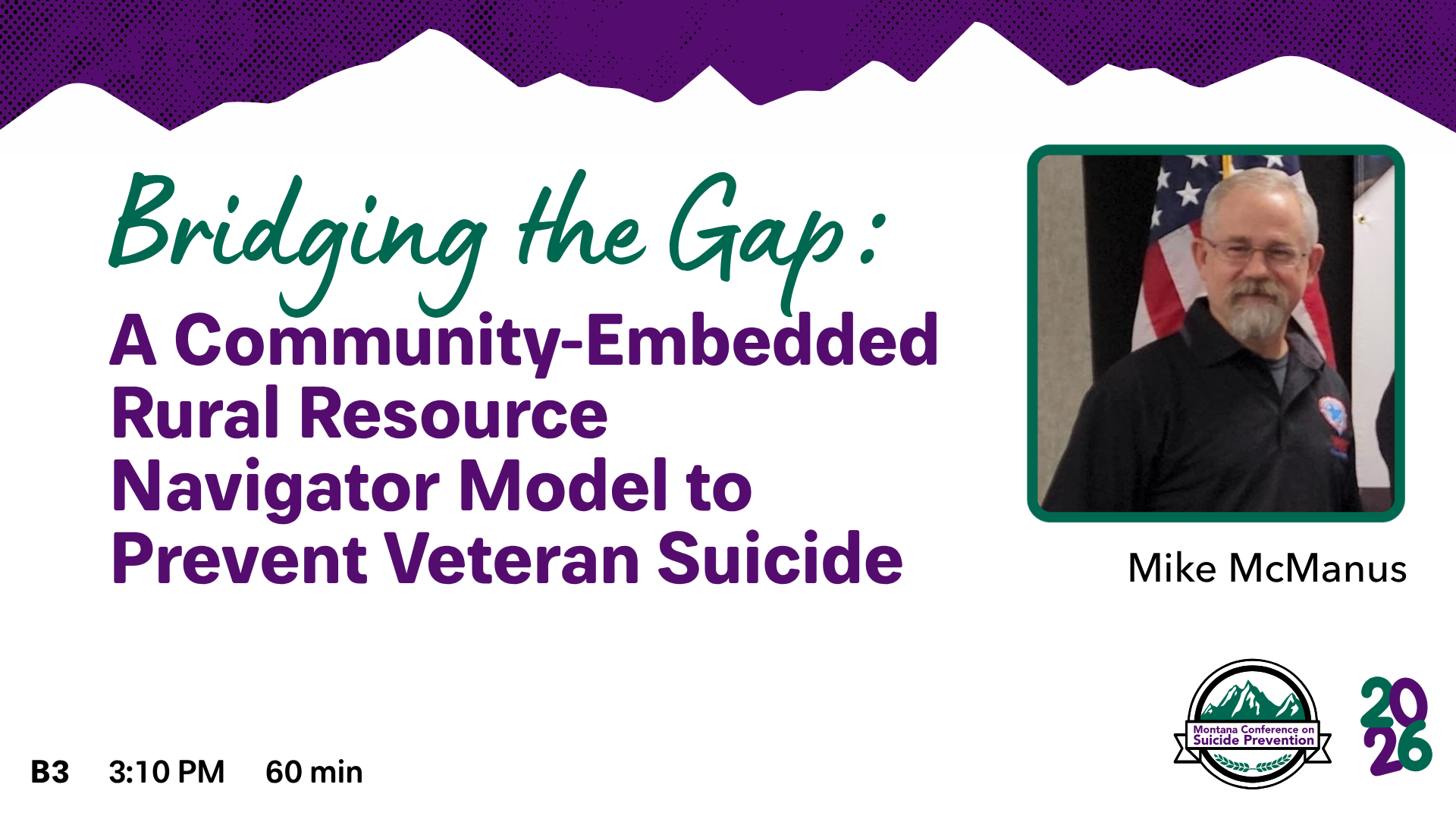
Bridging the Gap: A Community-Embedded Rural Resource Navigator Model to Prevent Veteran Suicide
Mike McManus
PRESENTATION ABSTRACT
Montana's veteran suicide rate remains among the highest in the nation, with most veterans who die by suicide not connected to VA services. Rural geography, workforce shortages, limited broadband access, and distrust of systems create significant barriers to care and engagement. Veterans Navigation Network developed the Rural Resource Navigator (RRN) Program to address these challenges through a community-embedded, peer-based model that integrates suicide prevention, benefits navigation, telehealth access, and coordinated care.
This presentation explores how trained Resource Navigators, veterans who live within rural communities, provide trauma-informed case management, motivational interviewing, suicide prevention support, and direct coordination with VA, state, tribal, and community partners. Participants will examine the hub-and-spoke design of the program, review implementation strategies, and discuss methods for improving access, reducing isolation, and strengthening continuity of care for veterans who are not connected to VA services. Attendees will leave with a scalable model that can be adapted to other rural communities seeking to strengthen upstream suicide prevention and post-crisis support.
LEARNING OBJECTIVES
- Describe the structural barriers contributing to elevated suicide risk among rural veterans and limited engagement with VA services.
- Explain how a community-embedded Resource Navigator model enhances continuity of care and suicide prevention outcomes.
- Identify core training components, including peer support, motivational interviewing, trauma-informed care, and suicide prevention, necessary for effective deployment of rural navigators.
- Apply principles of hub-and-spoke coordination to strengthen cross-system collaboration in rural regions.
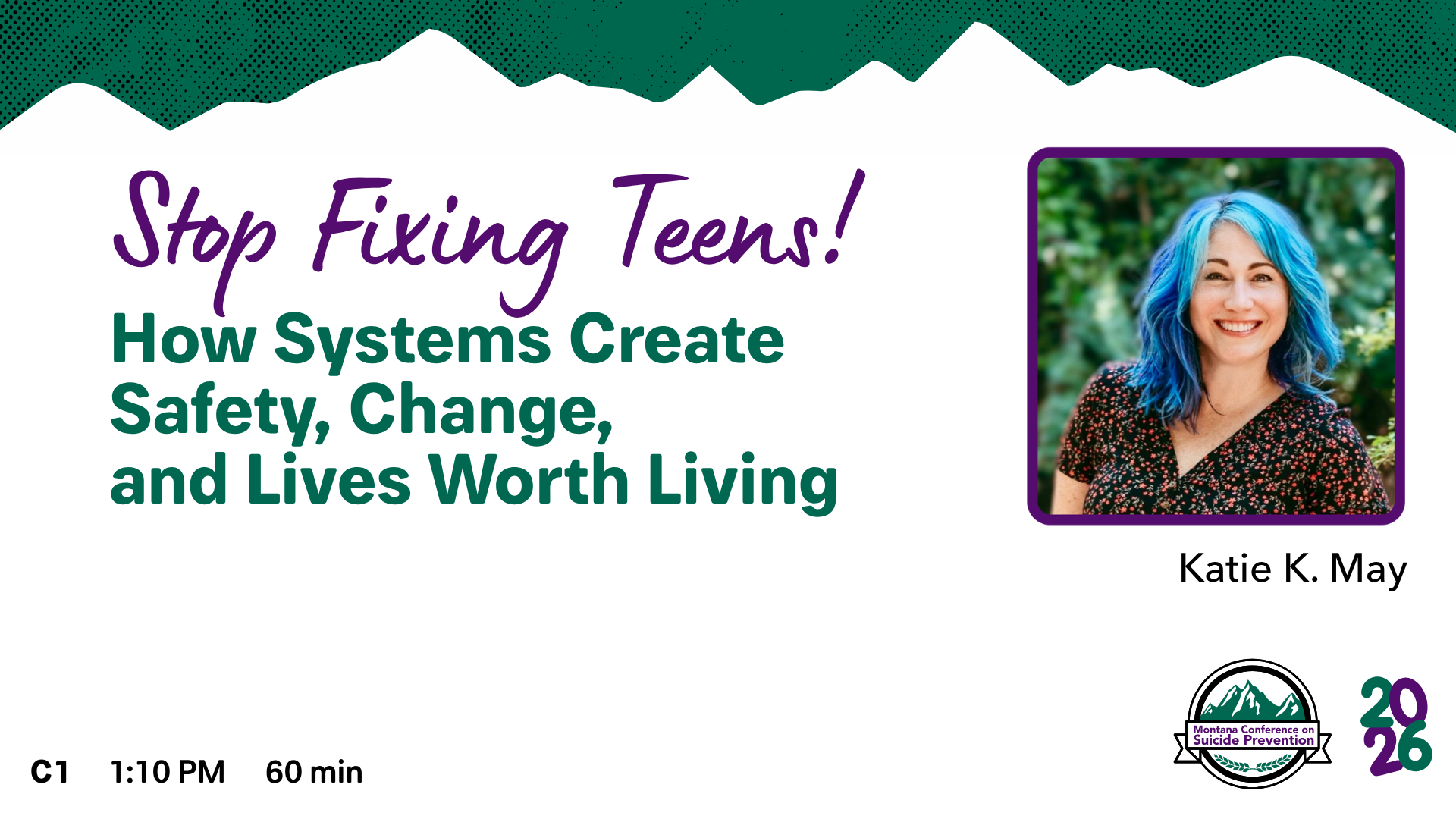
Stop Fixing Teens! How Systems Create Safety, Change, and Lives Worth Living
Katie K. May
PRESENTATION ABSTRACT
Teens don’t need to be fixed; they need systems that can understand, support, and hold them long enough for real change to happen. This talk reframes high-risk teen behavior as communication and shows how treating the whole system — teen, caregivers, and therapists — improves outcomes. Katie introduces the Teen Coping Code™ to decode behavior and break cycles that keep families trapped in the revolving door of hospitalization.
LEARNING OBJECTIVES
- Stop chasing behaviors: Learn why survival strategies such as self-harm and substance use persist and how a Life Worth Living approach creates hope.
- Fix the system, not the teen: Understand how caregiver stress, therapist burnout, and unclear roles contribute to crisis cycles and how alignment can prevent them.
- Intervene smarter, not faster: Discover why assessment, role clarity, and transactional awareness are more effective than rushed solutions.
- Create safety that sticks: Build relational safety that reduces hospitalizations and strengthens support systems around adolescents.
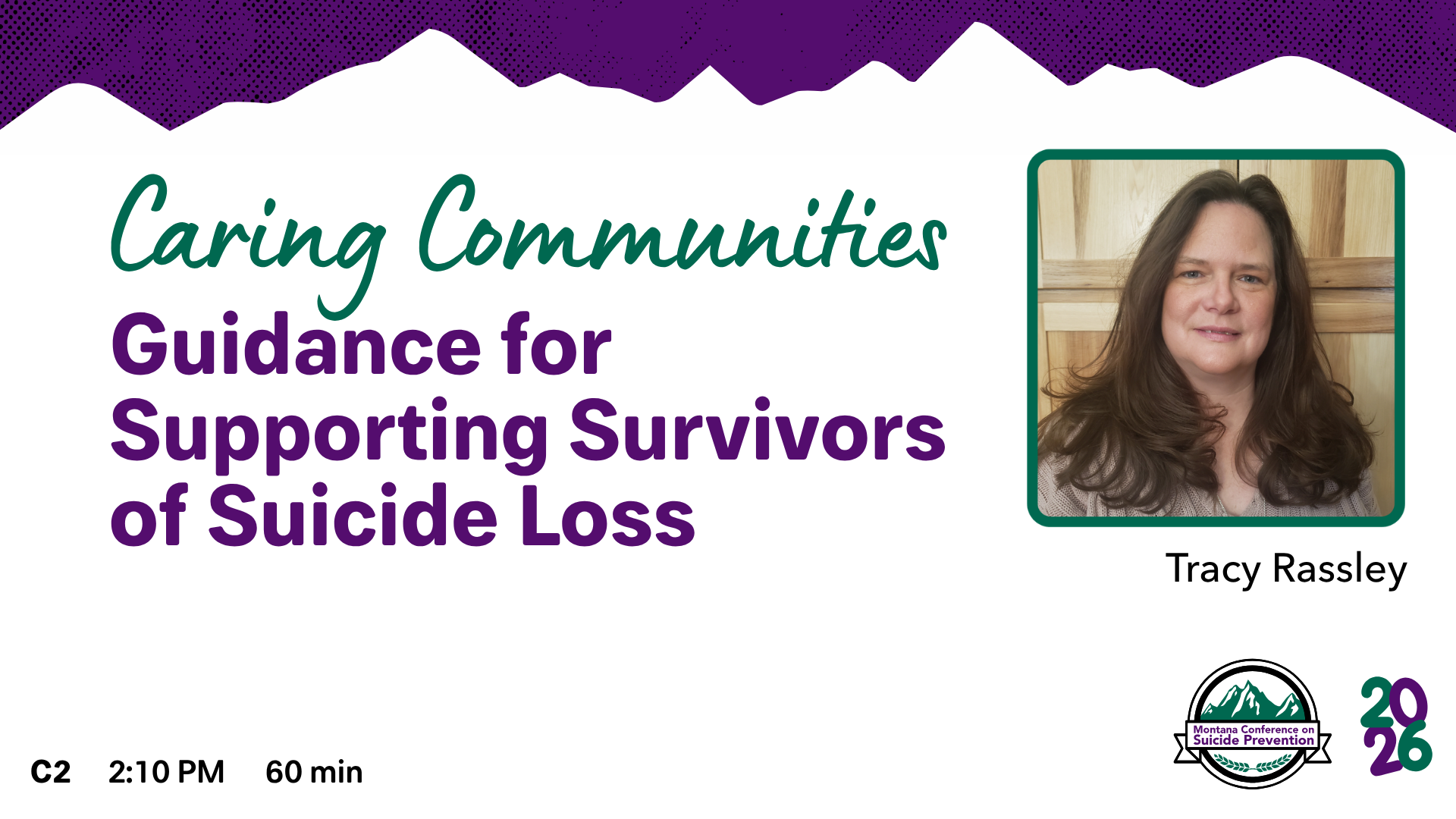
Caring Communities: Guidance for Supporting Survivors of Suicide Loss
Tracy Rassley
PRESENTATION ABSTRACT
Caring Communities: Guidance for Supporting Survivors of Suicide Loss is a one-hour presentation, available in-person or virtually, designed to provide participants with information, resources, and practical guidance on how to support someone who has experienced a recent loss to suicide. The program is suitable for workplaces and community groups who want to learn how to build more supportive environments for survivors of suicide loss.
LEARNING OBJECTIVES
- Understand resiliency and its role in personal and professional well-being. Identify personal stressors and describe how they impact mental, emotional, and physical health.
- Reflect on past challenges, the consequences of neglecting self-care, and identify how resiliency played a role in overcoming them.
- Learn how resiliency can be strengthened through self-awareness, positive relationships, and adaptive thinking including exploring practical self-care strategies that support resiliency.
- Understand the importance of collaboration within your communities, and with state stakeholders, to develop strategies to advocate and have support for self-care and resiliency.
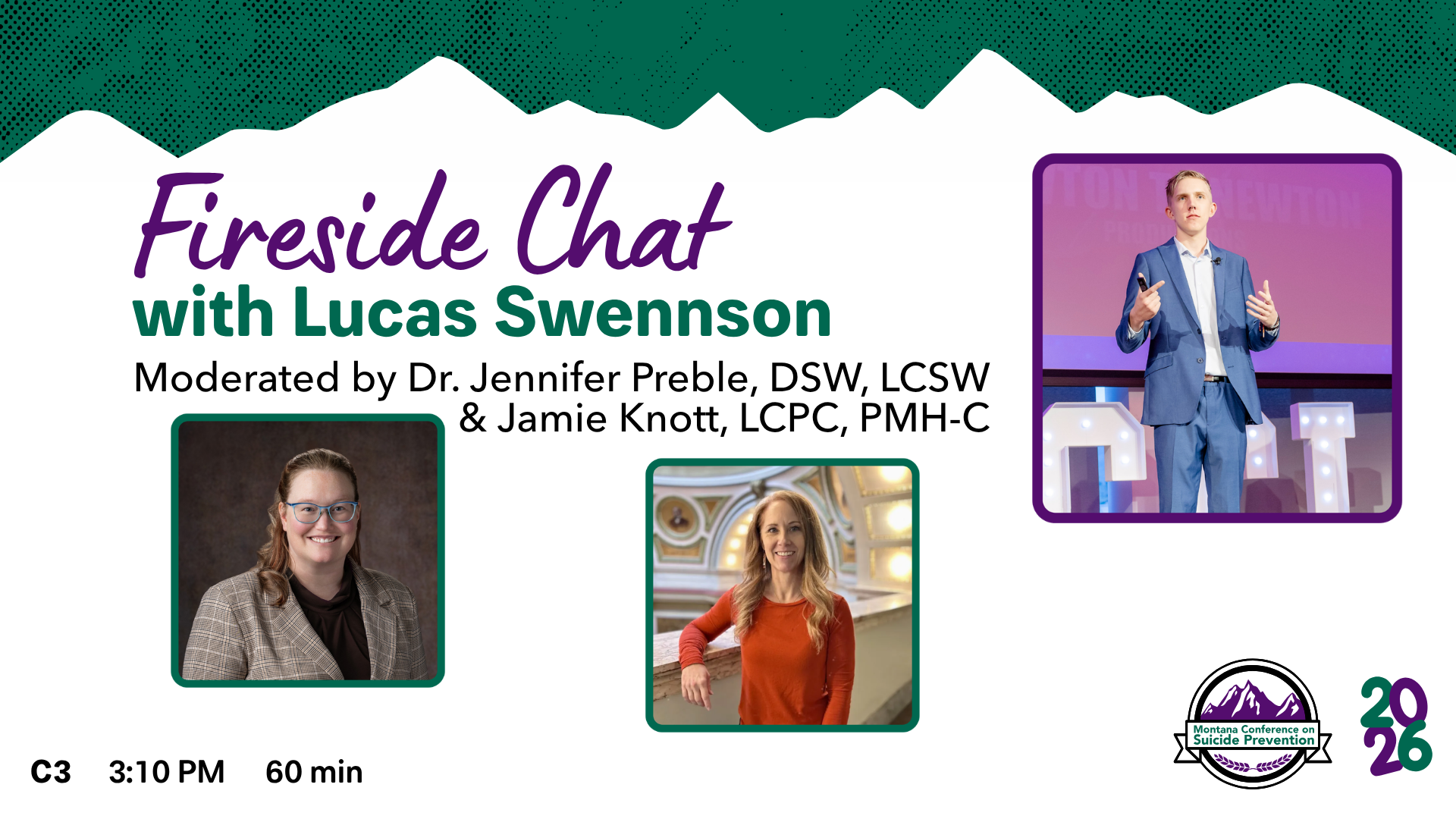
Fireside Chat with Lucas Swennson
Dr. Jennifer Preble, DSW, LCSW & Jamie Knott, LCPC, PMH-C with Lucas Swensson
PRESENTATION ABSTRACT
This discussion will dive into 20-year-old Luc's personal journey being inspired to share his story and developing his message and his program IMAGINE BELIEVE ACHIEVE, which serves as instrumental in bringing communities and schools together to tackle mental health.
LEARNING OBJECTIVES
1. Turning negatives into positives.
2. Leadership through adversity.
3. Community collaboration.